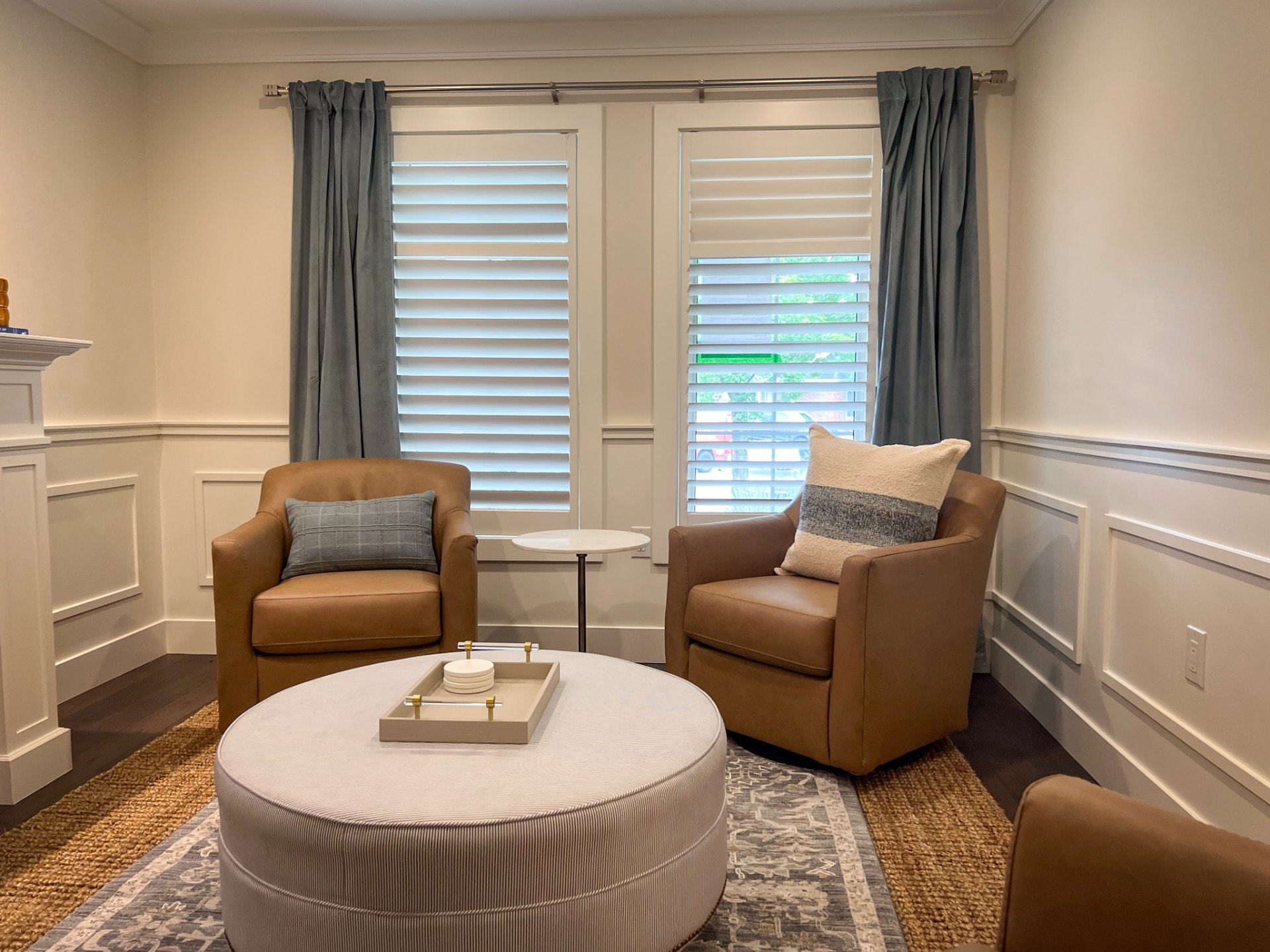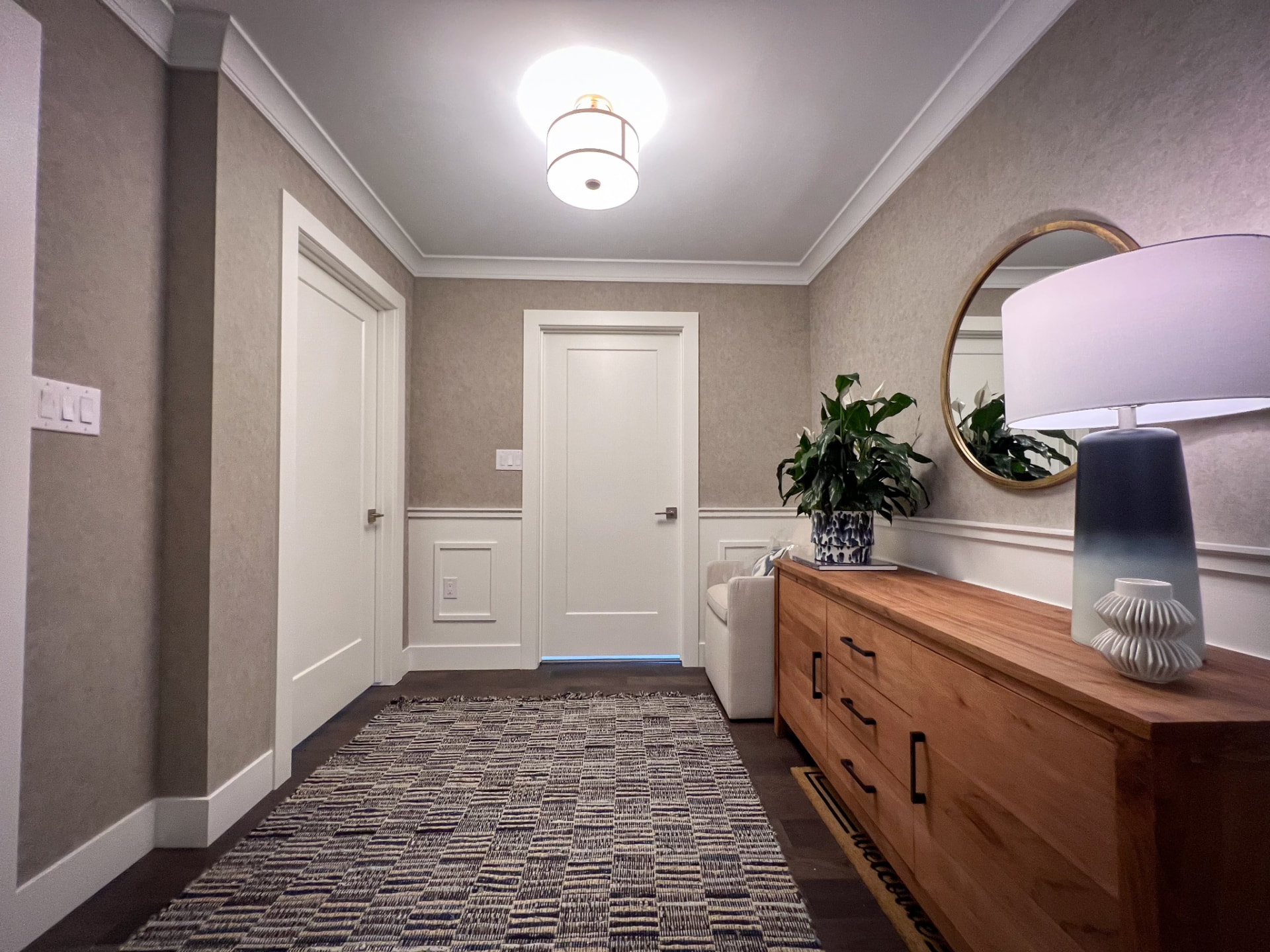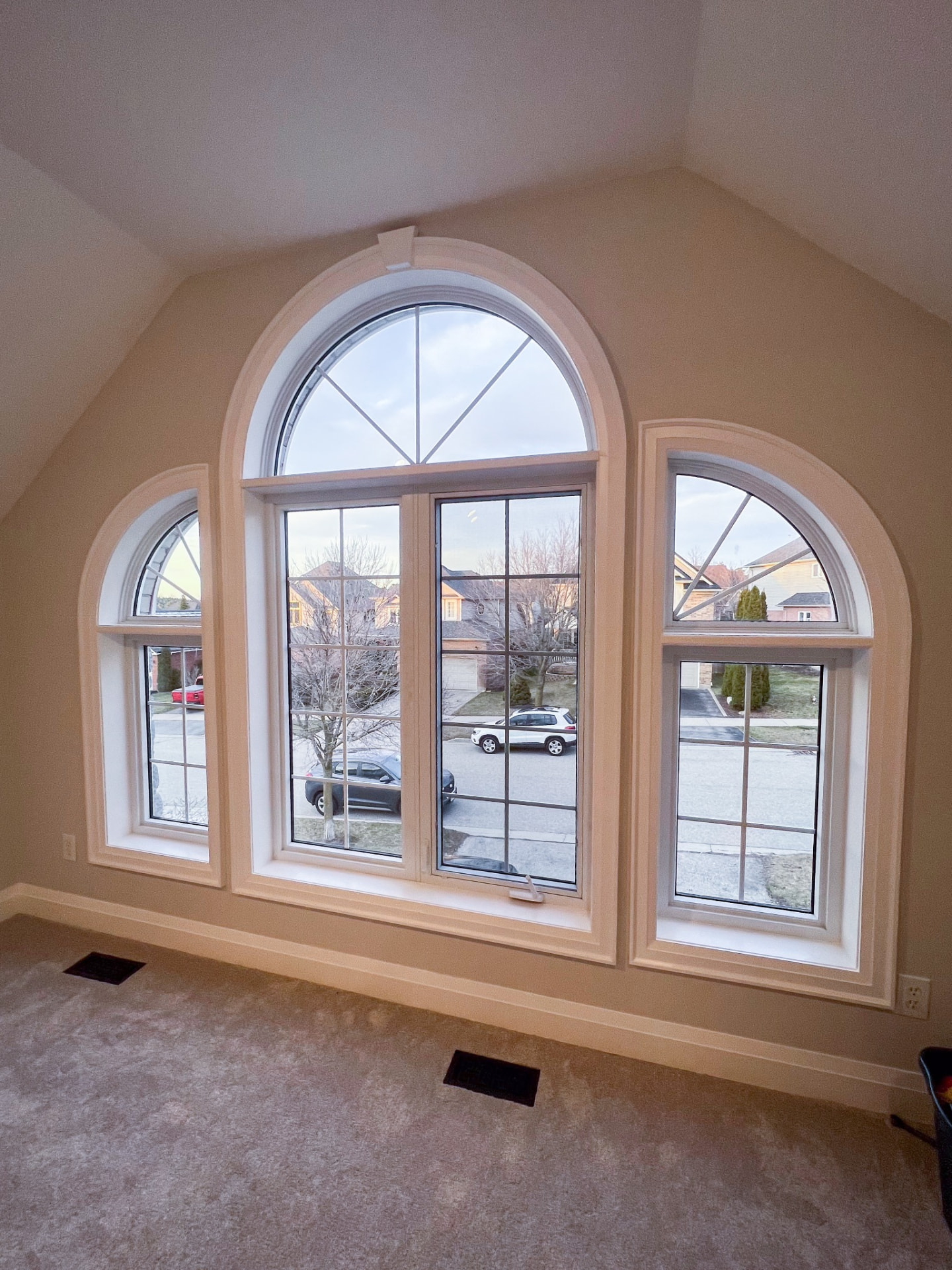
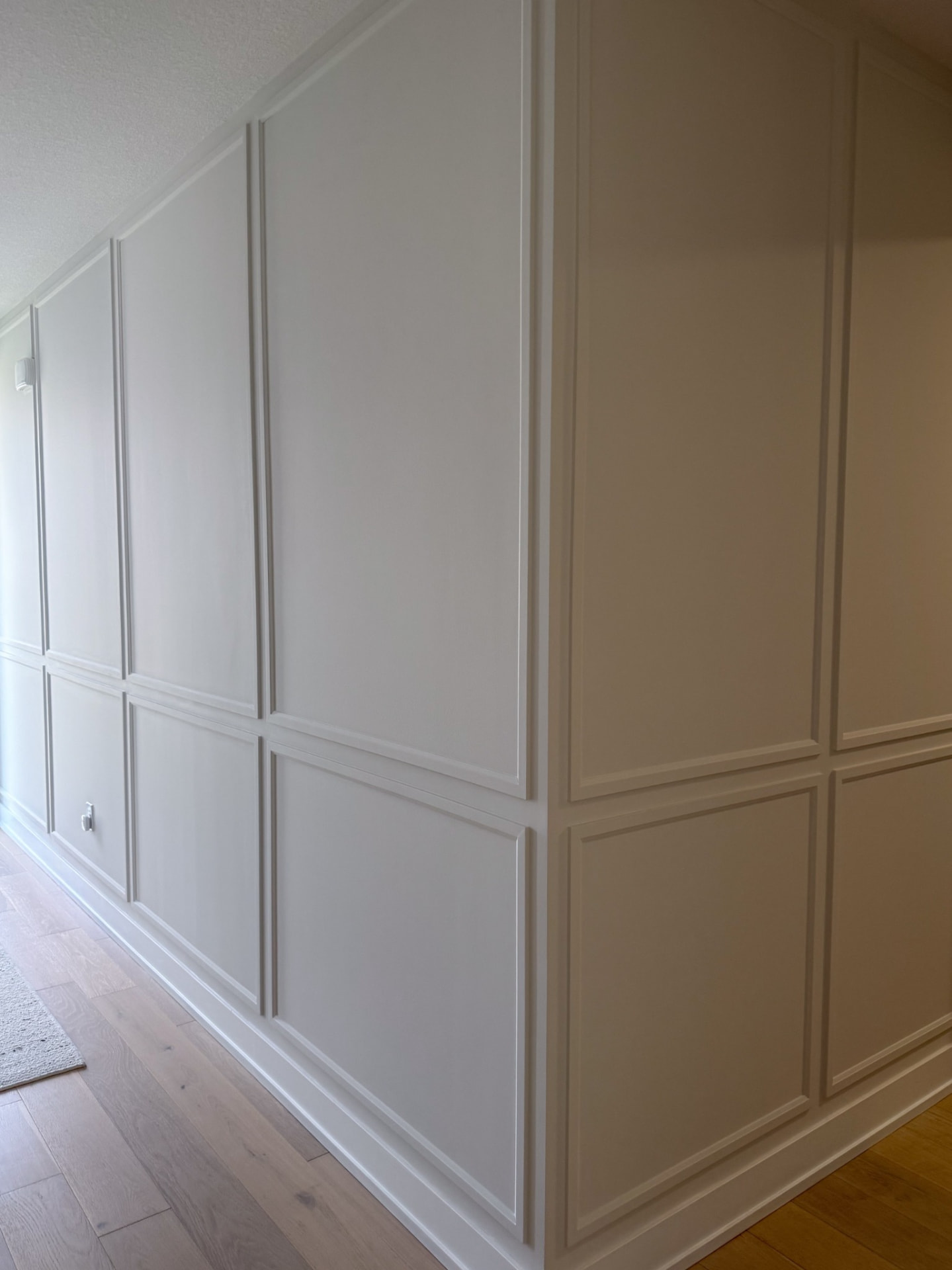
Crown moulding creates a finished transition between wall and ceiling. It can make a living room or dining room feel more considered, but it is not automatically right for every space. Ceiling height, door casing, wall colour and the style of the house should guide the choice.
Rooms where it often works well
Living rooms and dining rooms are common candidates because they have long sightlines and relatively uninterrupted ceiling edges. Bedrooms can benefit from a quieter, simpler profile. In kitchens, crown moulding may also need to coordinate with upper cabinets and bulkheads rather than compete with them.
What makes installation tricky?
Corners rarely meet at perfectly square angles, and older walls can wave or slope. A carpenter must account for these conditions so joints and returns look intentional. Large profiles can overwhelm low ceilings, while tiny profiles may disappear in a tall room.
Before requesting installation
Decide whether the goal is traditional character or a restrained contemporary finish. Take note of ceiling transitions, beams, recessed lighting and existing trim. Boronka Carpentry Plus offers crown moulding as part of its trim carpentry services; a site visit can help determine an appropriate profile and installation approach.
Next step
If you are considering this type of work, contact Boronka Carpentry Plus to discuss the space, your goals and which services fit your project. A clear scope and a few photos are a useful starting point.
Related service
Trim & Wainscoting