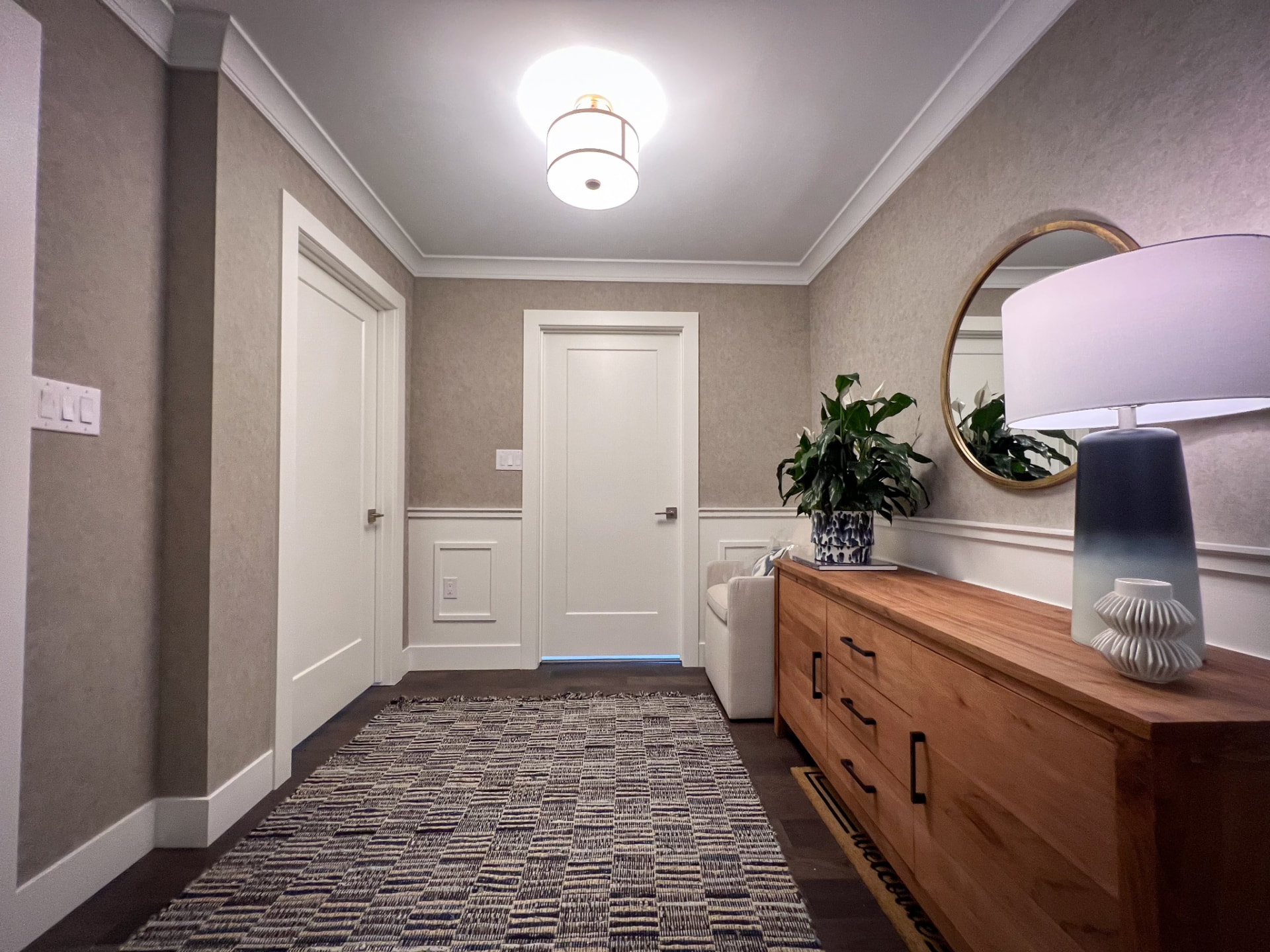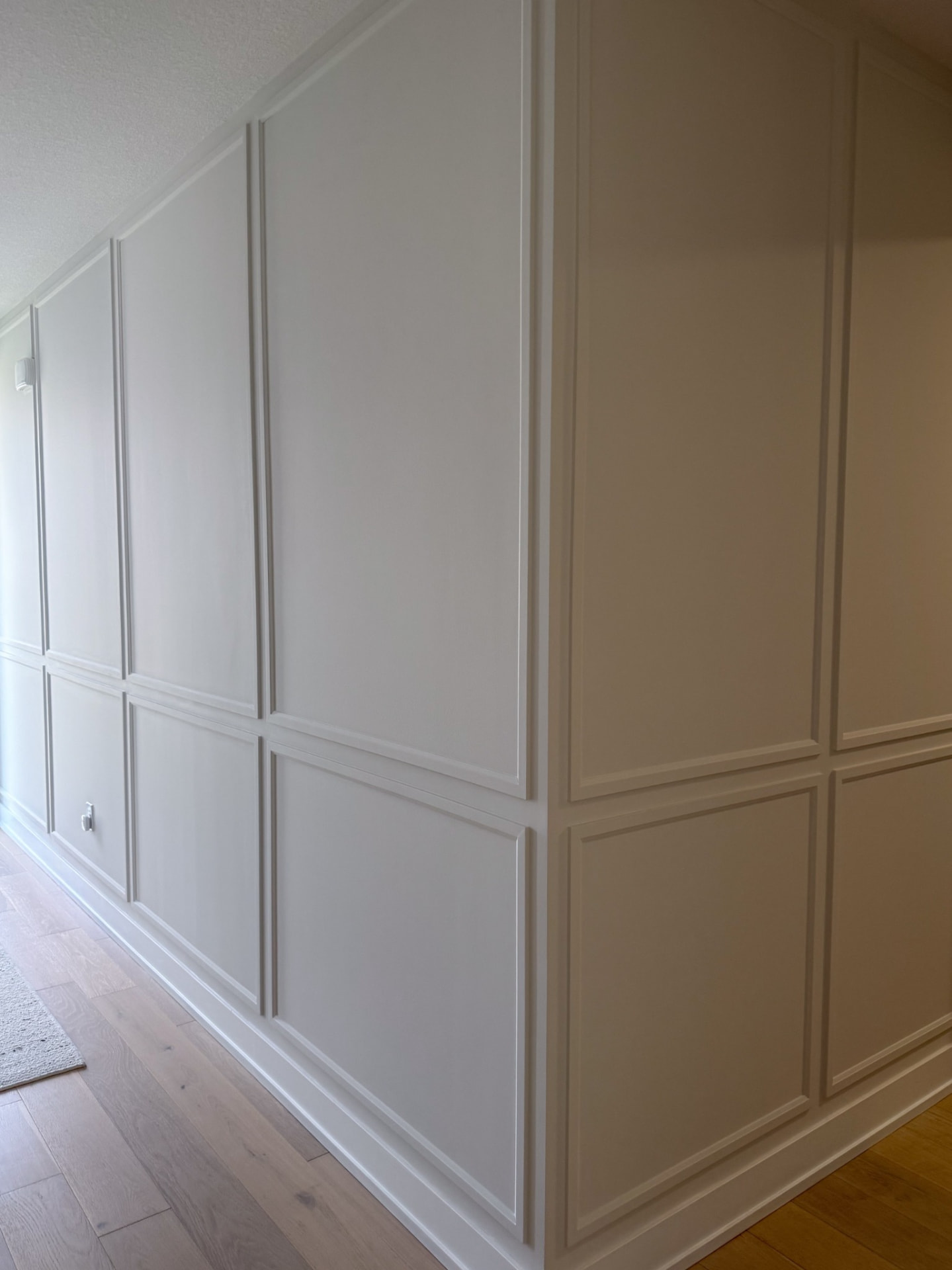
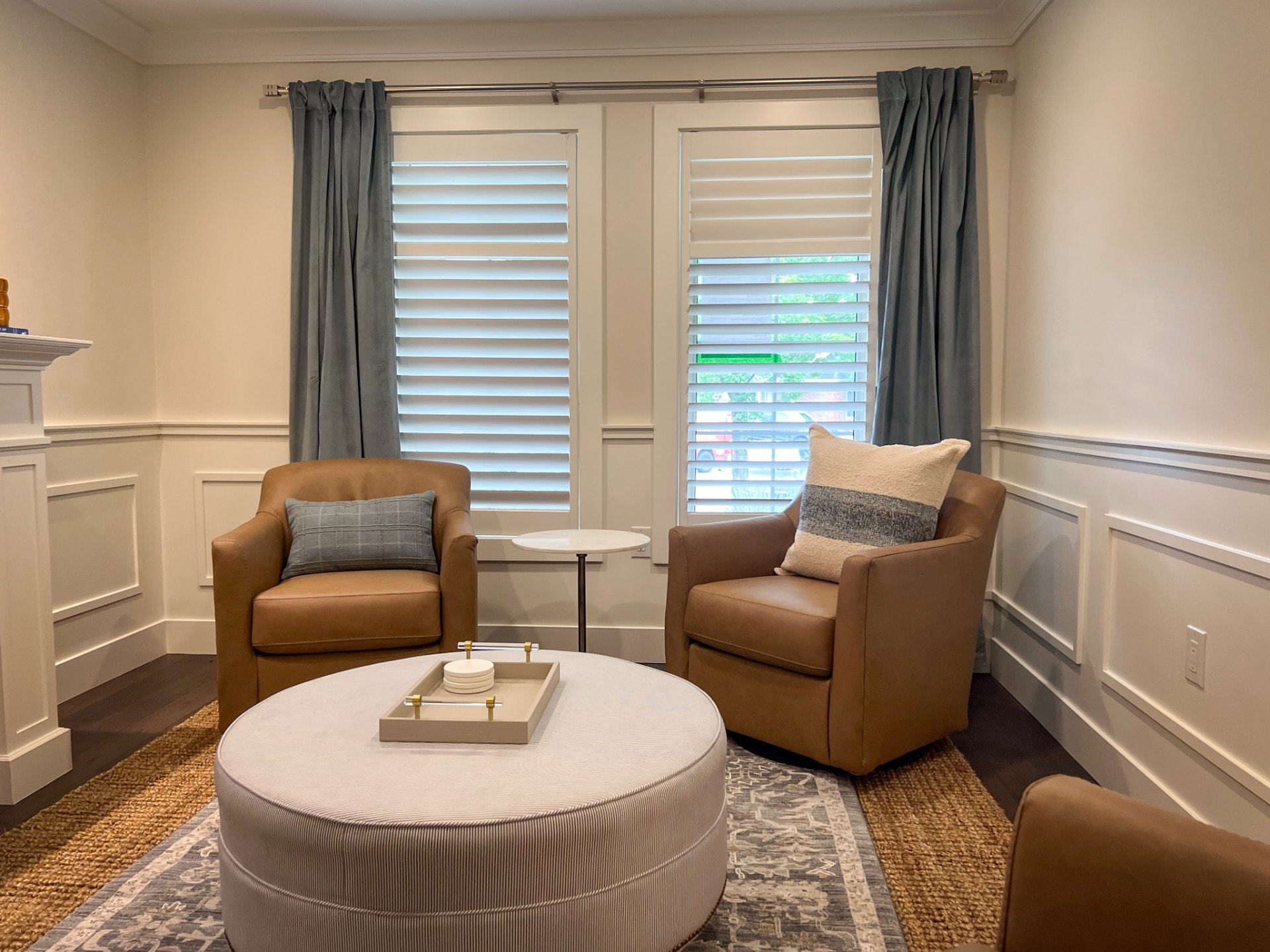
Wainscoting typically introduces repeated panels or trim details on the lower portion of a wall. An accent wall highlights one surface through texture, moulding or a distinct design. Both can change the room without changing its footprint, but they create different visual effects.
Where wainscoting shines
Entryways, stair-adjacent hallways and dining rooms can benefit from repeated detail that visually connects several walls. The panel proportions matter: outlets, switches, vents and door openings should be considered before a layout is finalized.
When an accent wall makes more sense
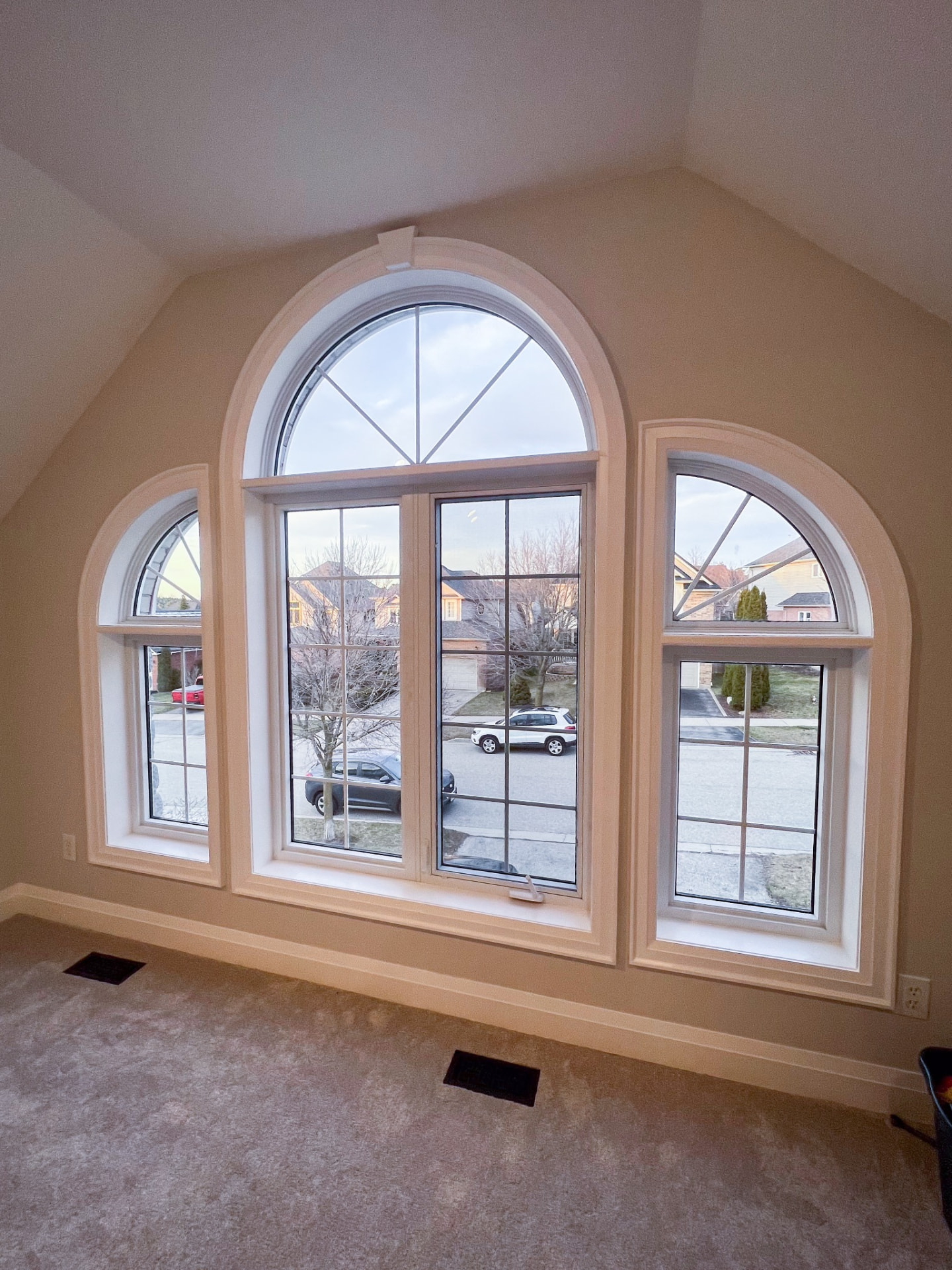
An accent wall works when there is a clear focal point, such as behind a bed or in a living room. A design can be simple and modern or more traditional, depending on spacing and trim profiles. Avoid choosing a complex pattern that fights with existing windows, shelving or furniture.
Planning a cohesive look
Measure the full wall, identify obstacles and consider how the design will terminate at corners. Boronka Carpentry Plus lists both wainscoting and accent walls as trim carpentry services. The strongest choice is the one that complements the room's architecture instead of following a trend blindly.
Next step
If you are considering this type of work, contact Boronka Carpentry Plus to discuss the space, your goals and which services fit your project. A clear scope and a few photos are a useful starting point.
Related service
Trim & Wainscoting