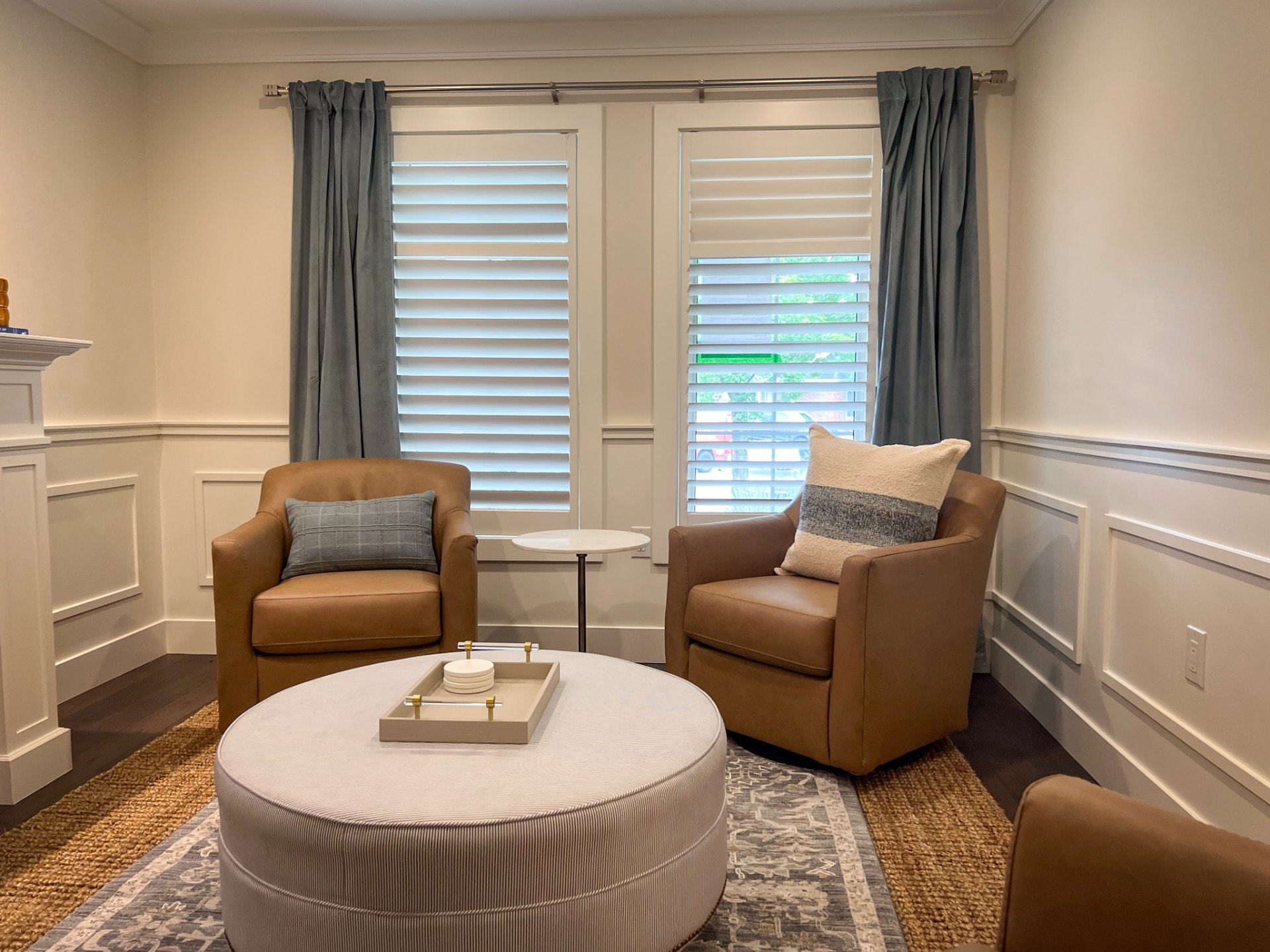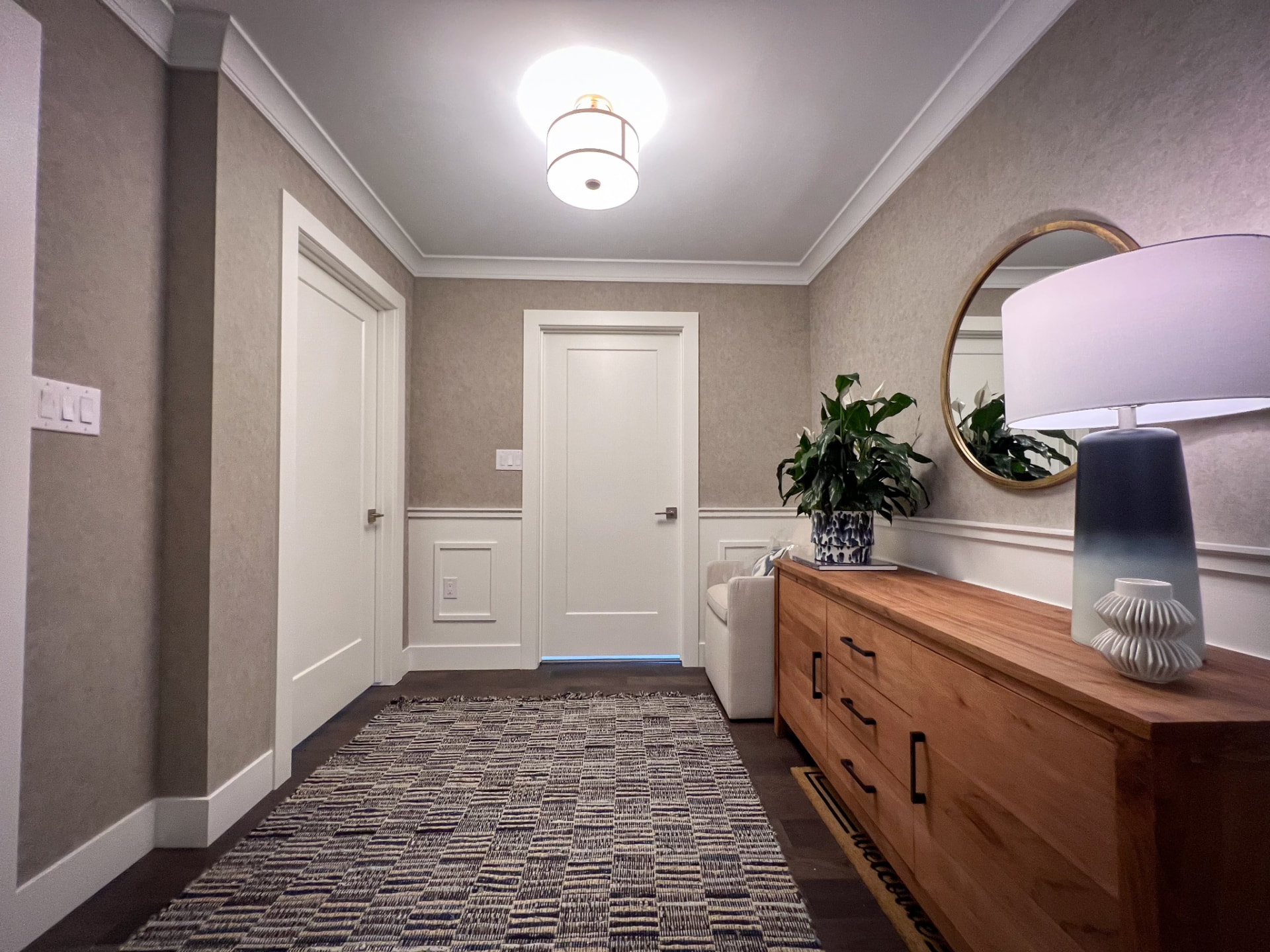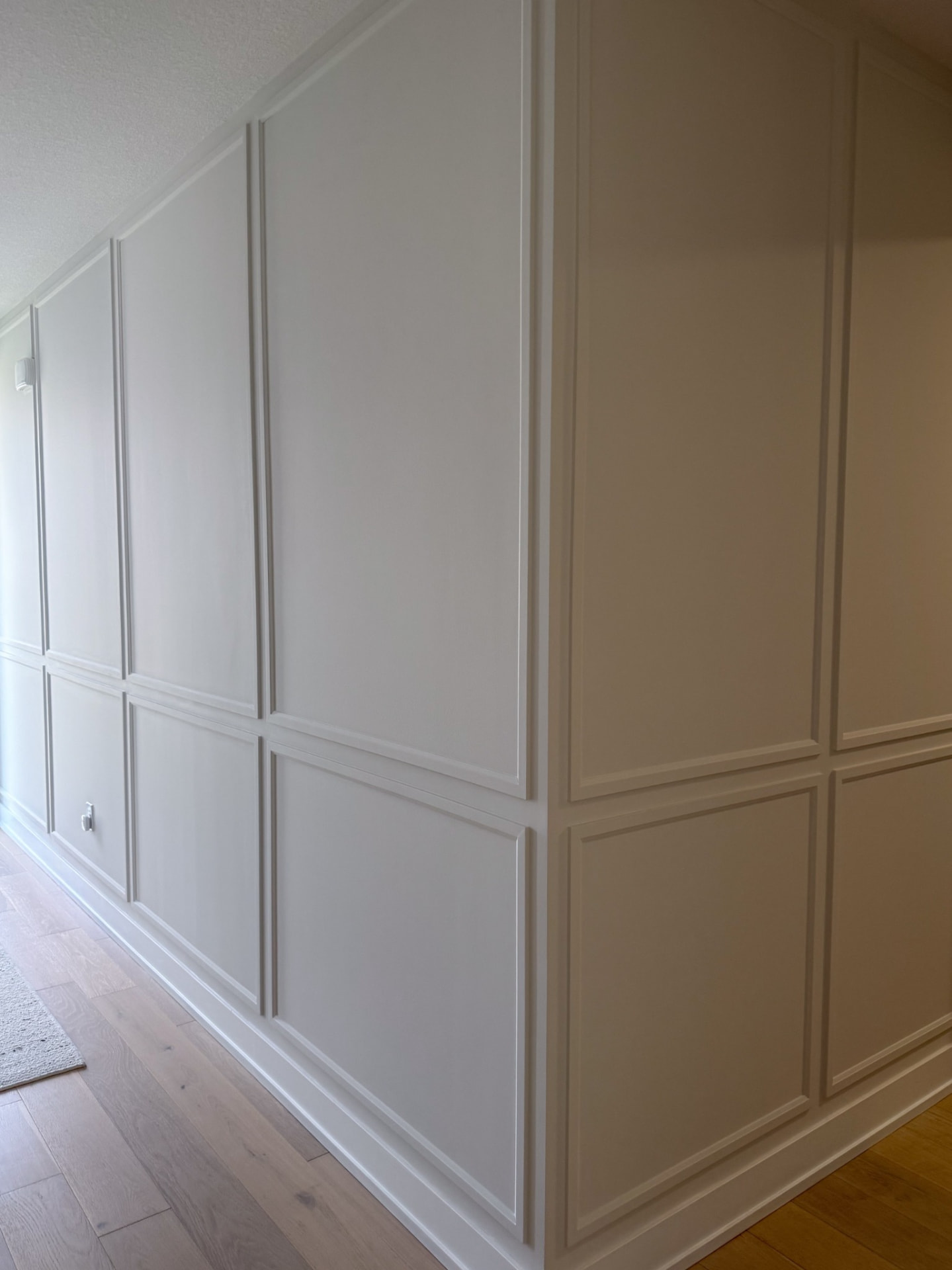
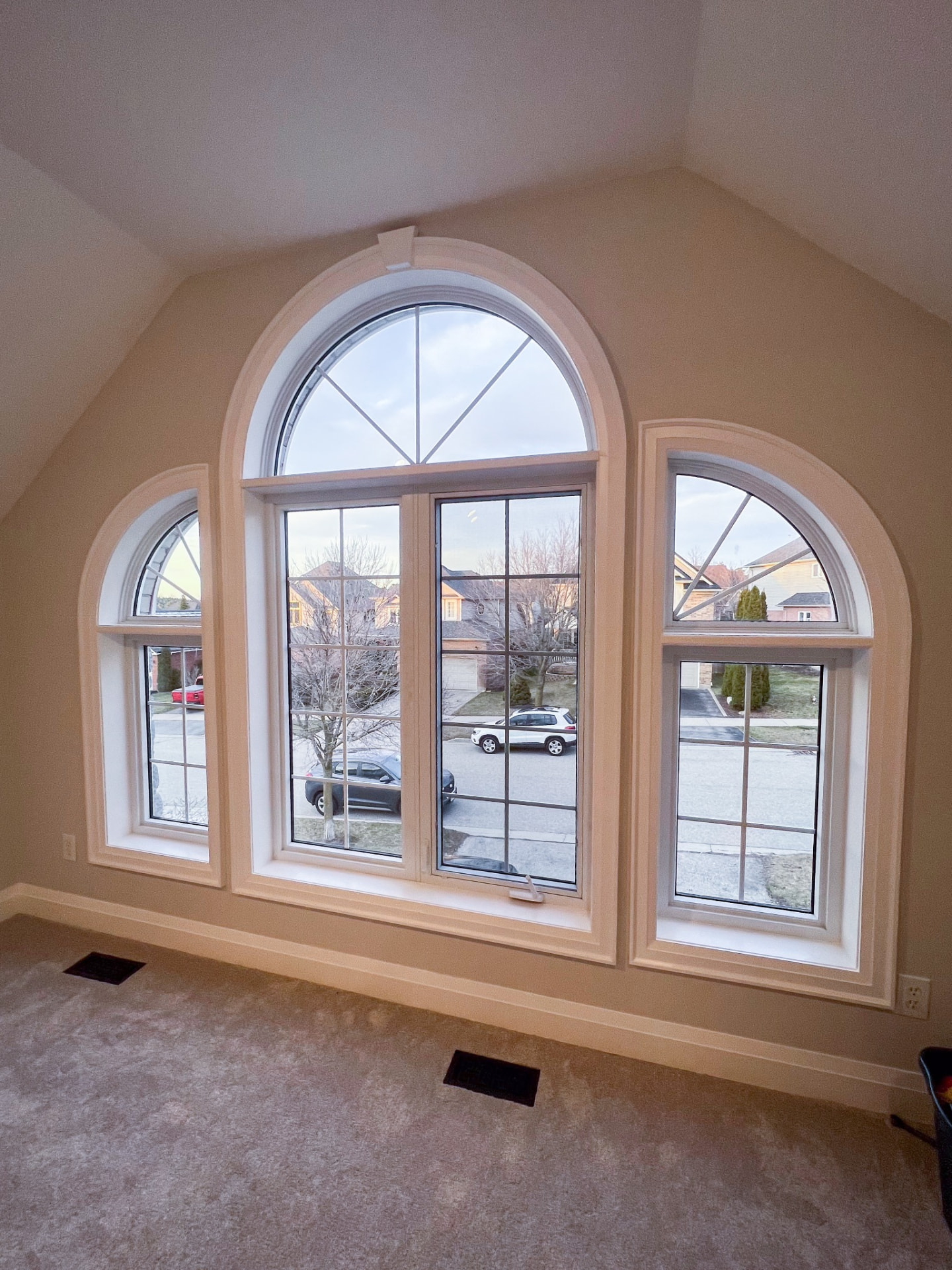
Door and window casing covers the joint between a frame and the wall, but it also helps establish the home's visual style. A narrow, plain casing can suit a contemporary interior; a more detailed profile may feel at home in a traditional space.
Match proportions across the room
The size of the casing should relate to the door height, ceiling height and baseboards. Mixing unrelated profiles from room to room can make a renovation feel piecemeal. Where possible, decide on a small family of compatible profiles.
Watch the difficult intersections
Casings may run close to walls, cabinets or adjacent doors. Corners, window stools and tight clearances need attention so the installation looks deliberate. Older homes sometimes have openings that are not square, which changes the fitting process.
A practical decision checklist
Photograph existing trim, note any areas with moisture damage, and decide whether the goal is to match or update the home. Boronka Carpentry Plus includes window and door casing in its trim services and can help homeowners evaluate the details in place.
Next step
If you are considering this type of work, contact Boronka Carpentry Plus to discuss the space, your goals and which services fit your project. A clear scope and a few photos are a useful starting point.
Related service
Trim & Wainscoting